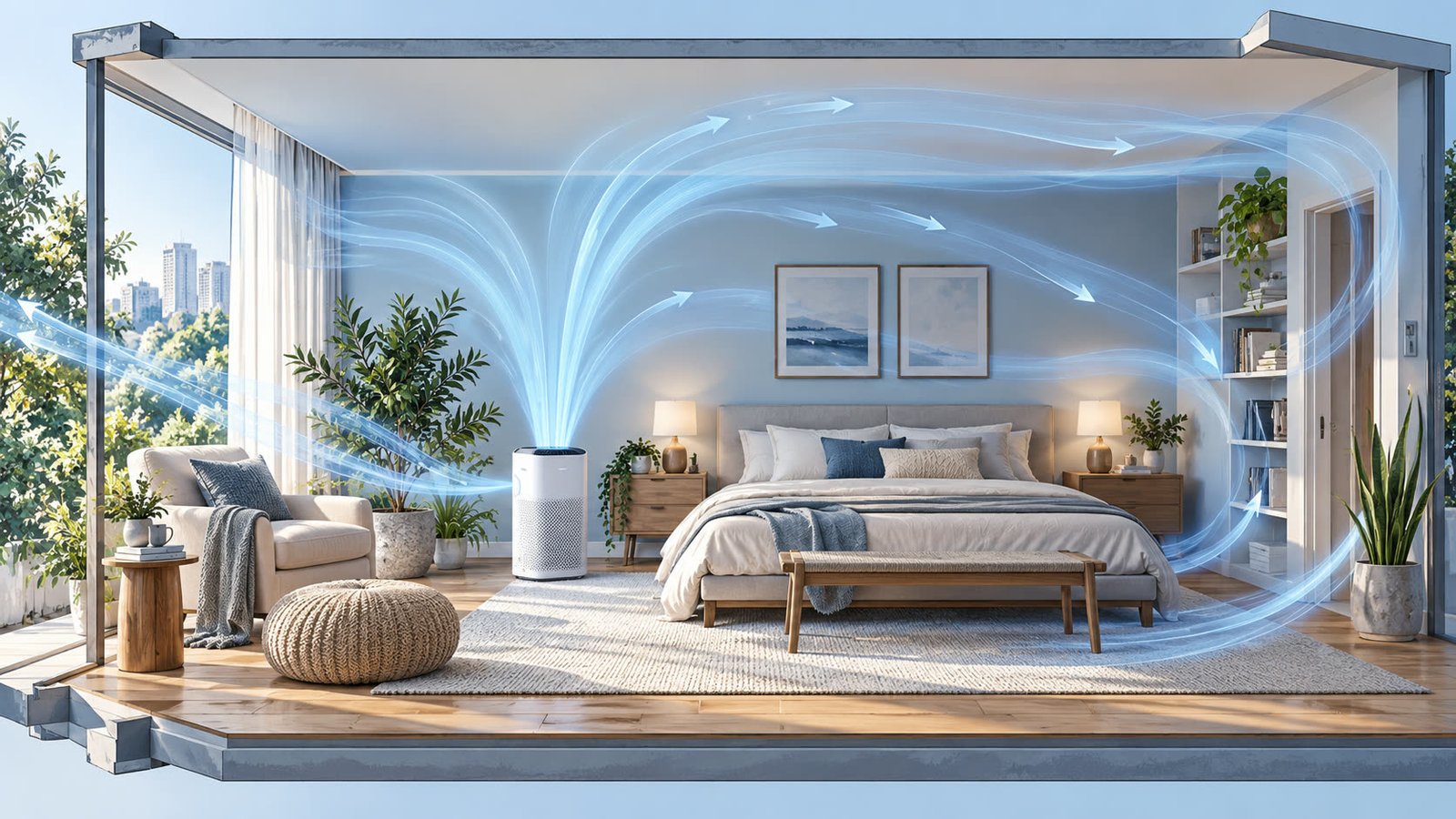
Find the purifier that fits your room.
Compare documented clean-air output, understand the room-size claim, and check the filter you will need to replace. Every recommendation leads to a specific model and its published evidence.
Your room. Your air. The right replacement.
Research from manufacturer documentation and published directories. Check the model, room-size basis and compatible filter before choosing.
Start with what you want to solve
Compare the differences that change your choice before checking an offer.
Your space. Your use. Your priorities.
Explore by category to narrow down models and requirements.
Find your starting point
Each family serves a different need. Start with yours.
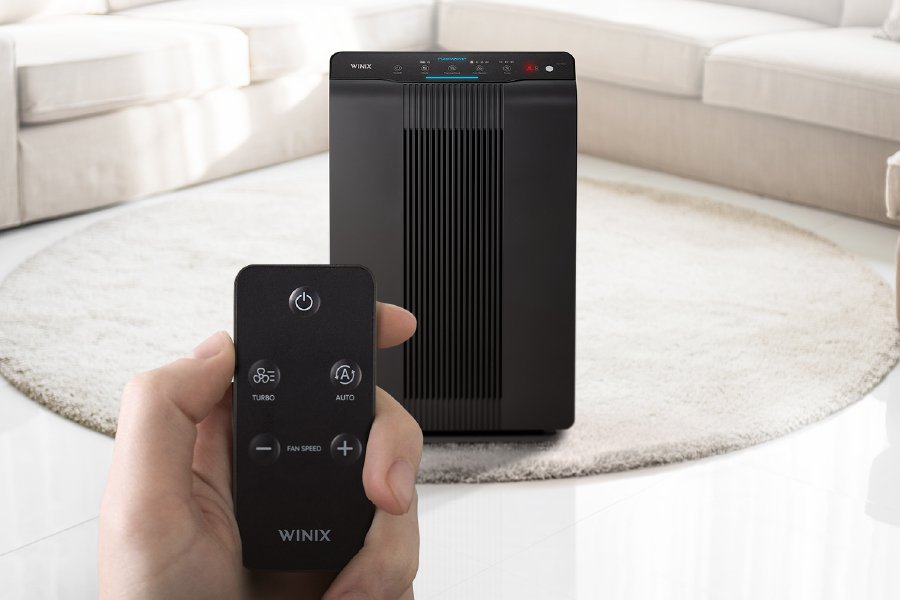
Purifiers
Compare clean-air output, room-size basis, noise and replacement filters.
Explore models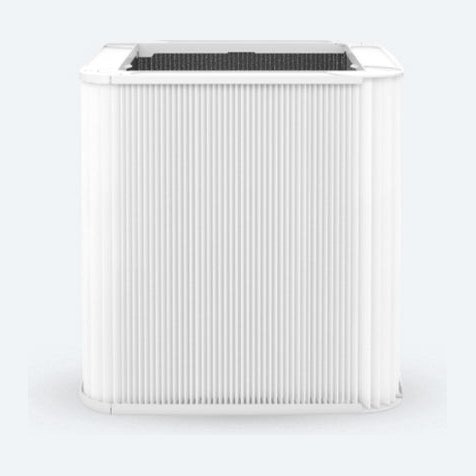
Replacement filters
Match the exact model and part number before choosing a replacement.
Explore models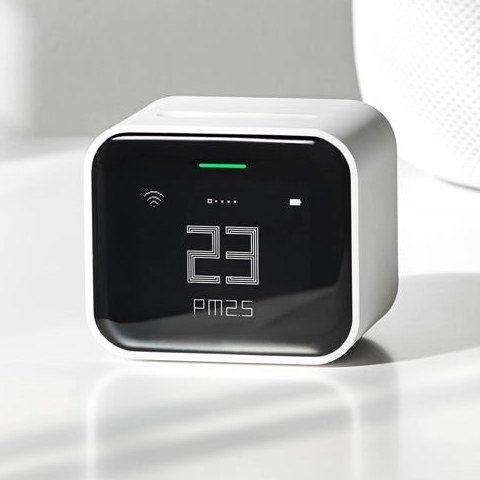
Air quality monitors
Check what the sensor measures and the evidence for the exact hardware.
Explore models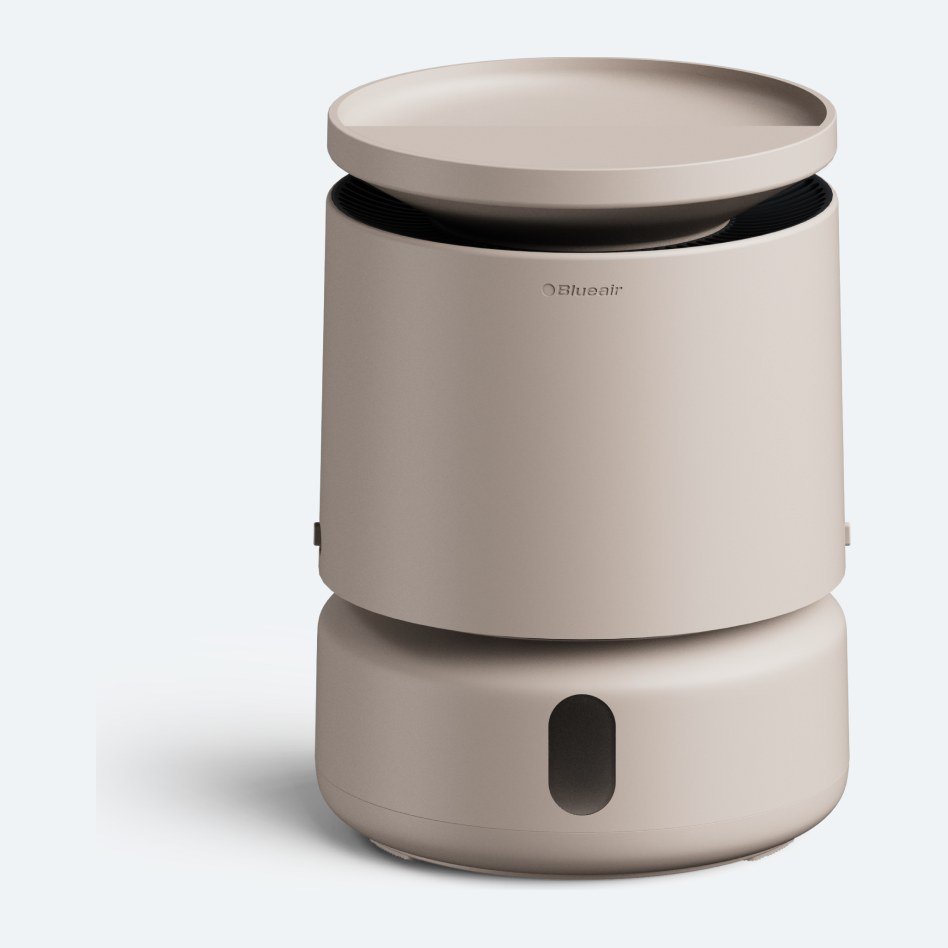
Humidifiers
Compare water care, cleaning and the published output for your room.
Explore modelsCompare models for different rooms
Compare the documented specifications and the filter you will need to replace.
BEST VALUE Winix
5500-2
A 4-stage tower air purifier - permanent pre-filter, washable AOC carbon filter, a filter stage Winix calls True HEPA, and a switchable PlasmaWave ionizing stage - AHAM Verifide for 370 sq ft at 4.8 air changes per hour.
Affiliate link. Check the exact item and current price on Amazon.
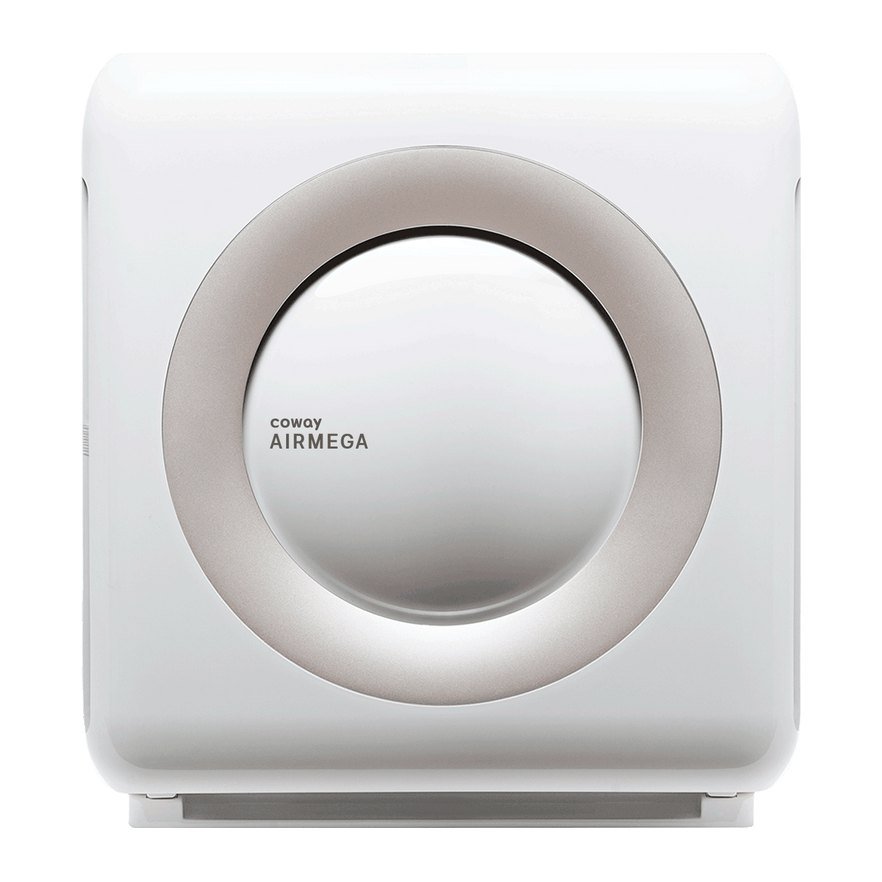 BEST DOCUMENTED
 Coway
Airmega Mighty AP-1512HH
The Coway Airmega Mighty AP-1512HH is a 12.3 lb portable room air purifier that Coway rates at 361 sq ft (4.8 air changes per hour) using a washable pre-filter, an activated-carbon deodorization filter, a filter Coway labels True HEPA, and a bipolar ionizer stage that has its own on/off button.
Affiliate link. Check the exact item and current price on Amazon.
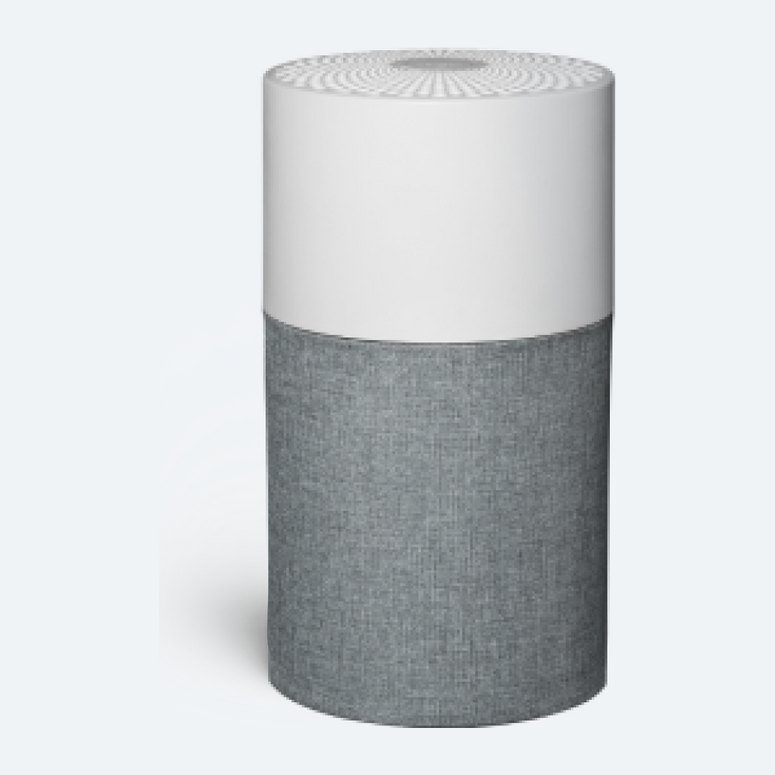 LOWEST RUNNING POWER
 Blueair
Blue Pure 511
A 4.2 lb, three-speed, single-button room air purifier using one combined particle-and-carbon filter behind a washable fabric pre-filter, AHAM Verifide at 122 cfm smoke CADR and measured by AHAM at 14.2 W at that rated output (Blueair rates energy consumption at 16 W).
Affiliate link. Check the exact item and current price on Amazon.
Blueair
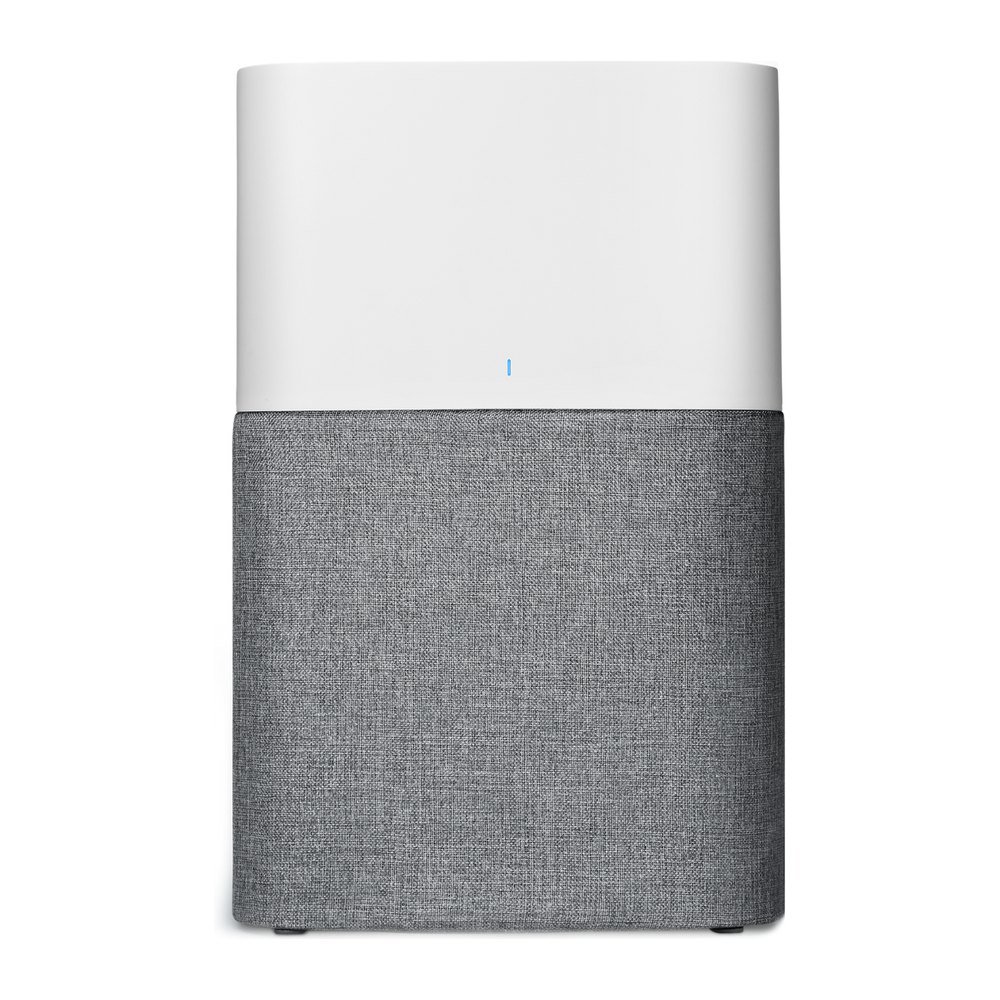
Blue Pure 211+ Auto
AHAM Verifide at 353 cfm smoke CADR for a 550 sq ft room, and Blueair publishes exactly those numbers rather than a flattering pair — which almost nothing else in this catalogue does. It draws 4 W on its lowest speed.
Affiliate link. Check the exact item and current price on Amazon.
Blueair
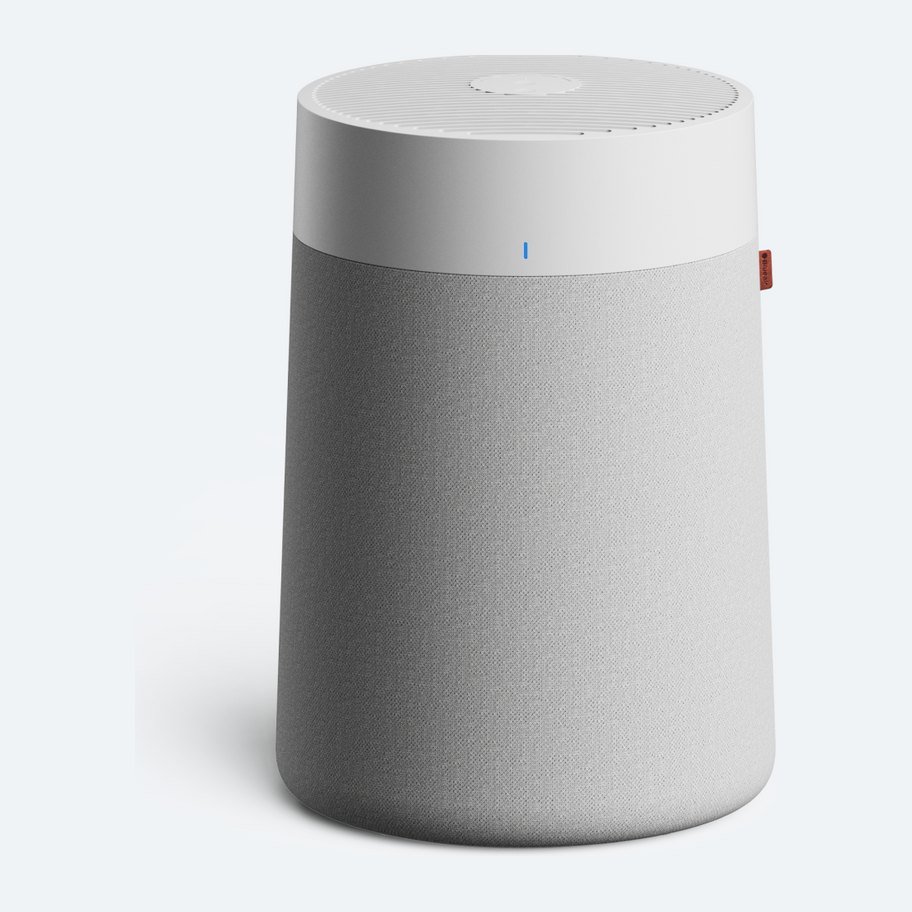
Blue Pure 311i Max
AHAM Verifide at 283 cfm smoke for a 439 sq ft room, and the rare case where the electrostatic question has an actual number attached: ENERGY STAR measured its ozone emission at 2 ppb.
Affiliate link. Check the exact item and current price on Amazon.
Levoit
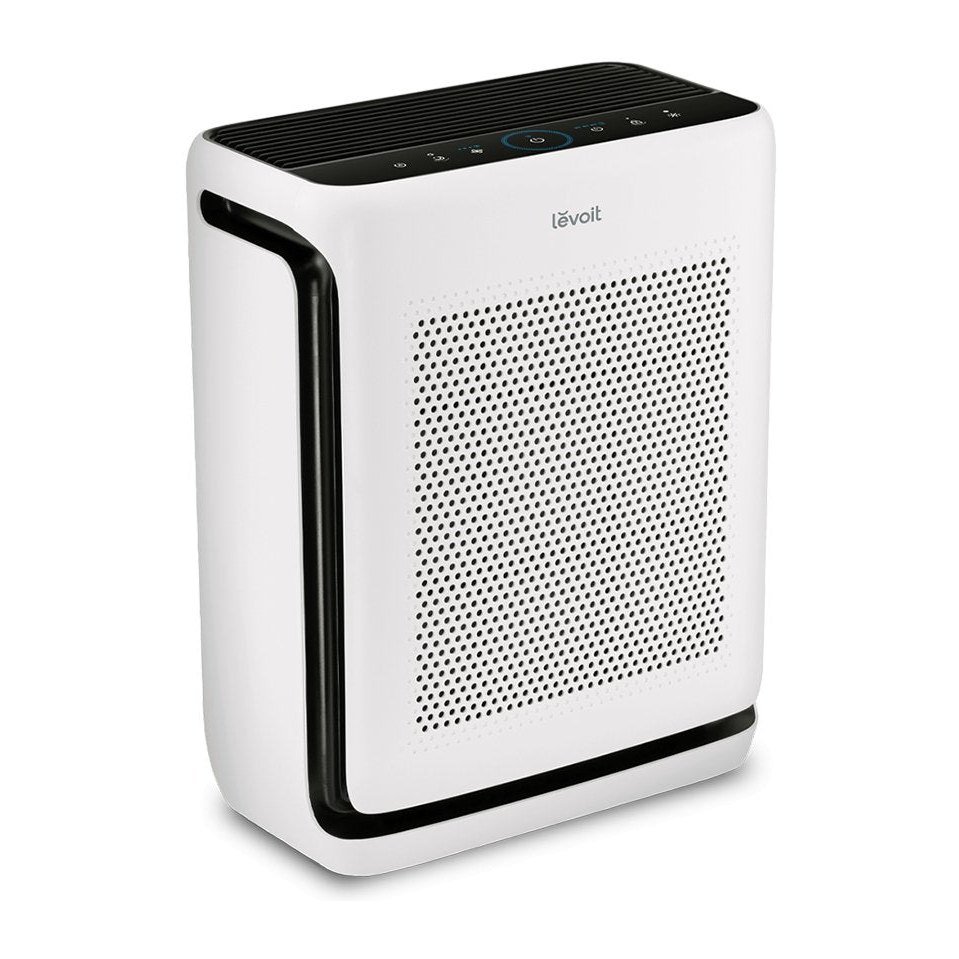
Vital 200S-P
AHAM Verifide at 250 cfm smoke across 388 sq ft, with a washable pre-filter and a sensor-driven auto mode — the biggest CARB-Mechanical machine in this catalogue.
Affiliate link. Check the exact item and current price on Amazon.
Check the current price, availability, variant and purchase conditions with the retailer.
The room-size claim needs context.
Clean-air output, room volume and the number of air changes belong together. Learn to read the figures before comparing a purifier.
Read before choosingAn air purifier pulls room air through a filter and pushes it back out with fewer particles in it. That is the whole mechanism, and everything worth comparing sits in four numbers: how much clean air it delivers (CADR), how many times an hour it can do that to your room, what the filter media actually is, and what the replacement filters cost you every year. We work from the manufacturer’s own documentation and the AHAM Verifide directory. We do not test units in a lab, so you will not find a performance figure here that someone did not publish first.
Find the filter that actually fits
A similar-looking part number can lead to the wrong filter. Each guide lists the OEM number, compatible models and closely named models to avoid.
Blueair
Blueair Blue Pure 211+ Auto replacement filter
⚠️ BLUEAIR DOES NOT STATE AN INTERVAL ON THIS FILTER'S PRODUCT PAGE.
Affiliate link. Check the exact item and current price on Amazon.
Coway
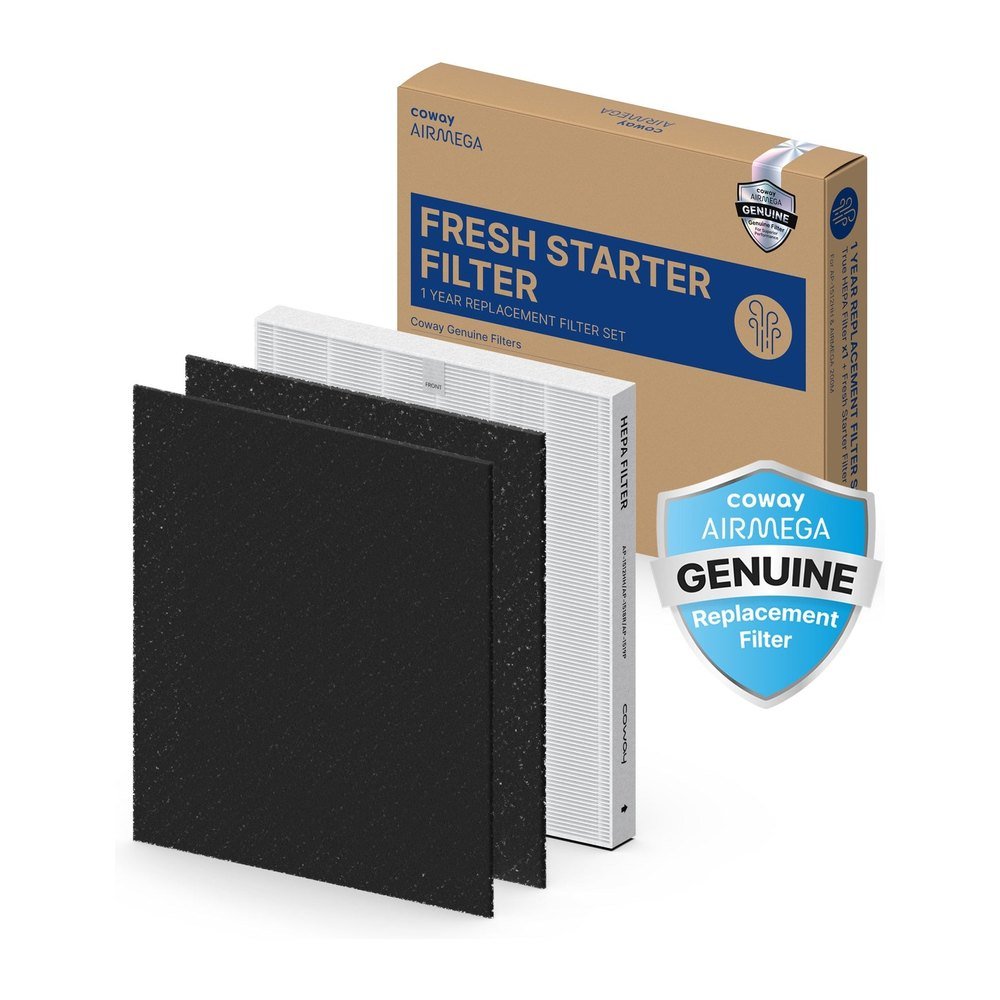
Coway Airmega AP-1512HH replacement filter set
3118096 · 3116999 · 3117063 · 3117062 · 3105422 · 3107167
Coway's manual gives a per-filter table rather than a single number.
Affiliate link. Check the exact item and current price on Amazon.
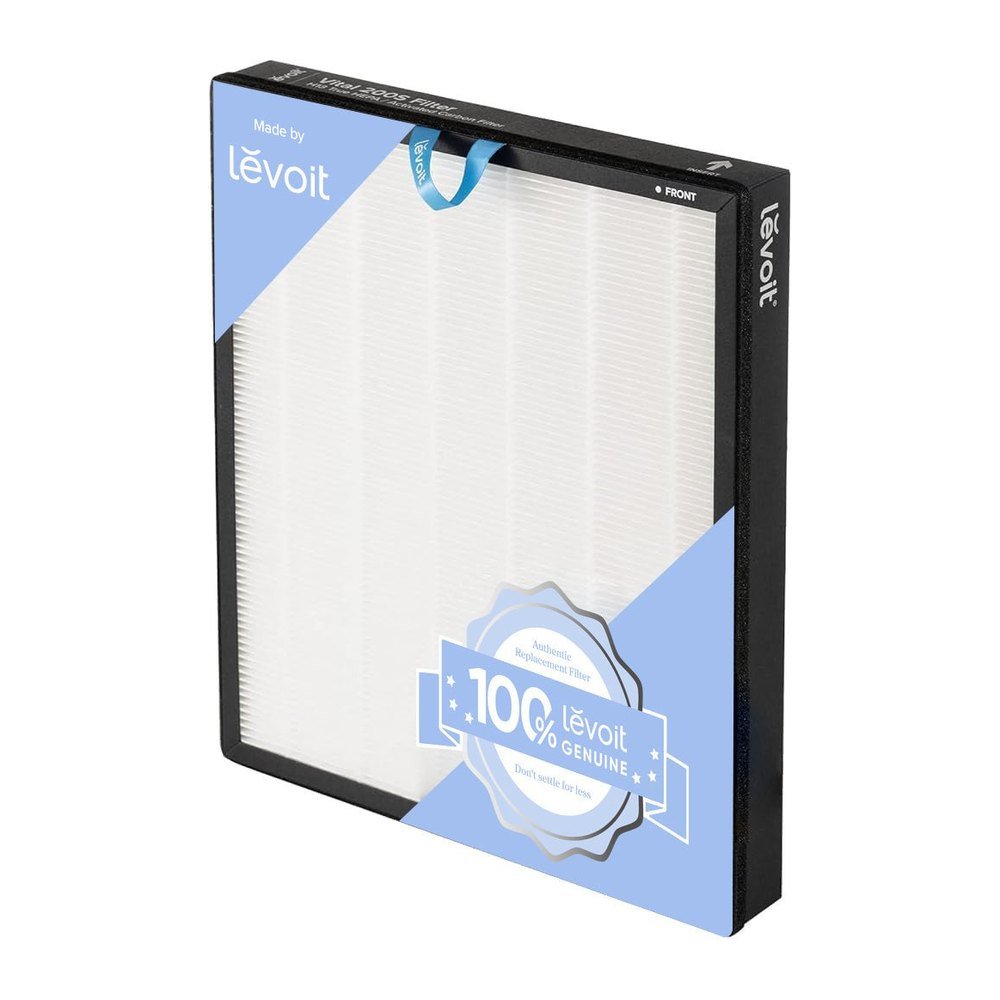
Levoit
Levoit Vital 200S replacement filter
Vital 200S-RF
"Designed to last 6–12 months", per Levoit's page for this filter.
Affiliate link. Check the exact item and current price on Amazon.
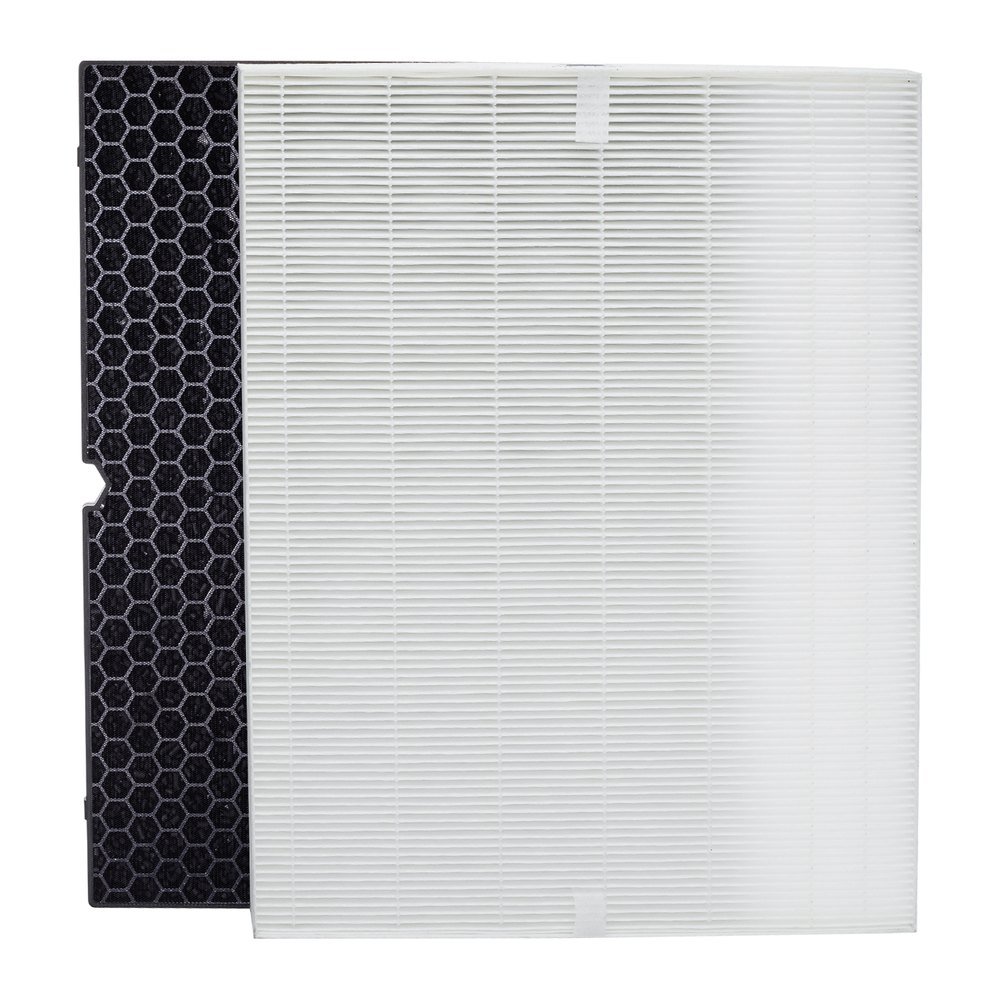
Winix
Winix 5500-2 replacement filter set
116130 · Filter H
12 months for both layers.
Affiliate link. Check the exact item and current price on Amazon.
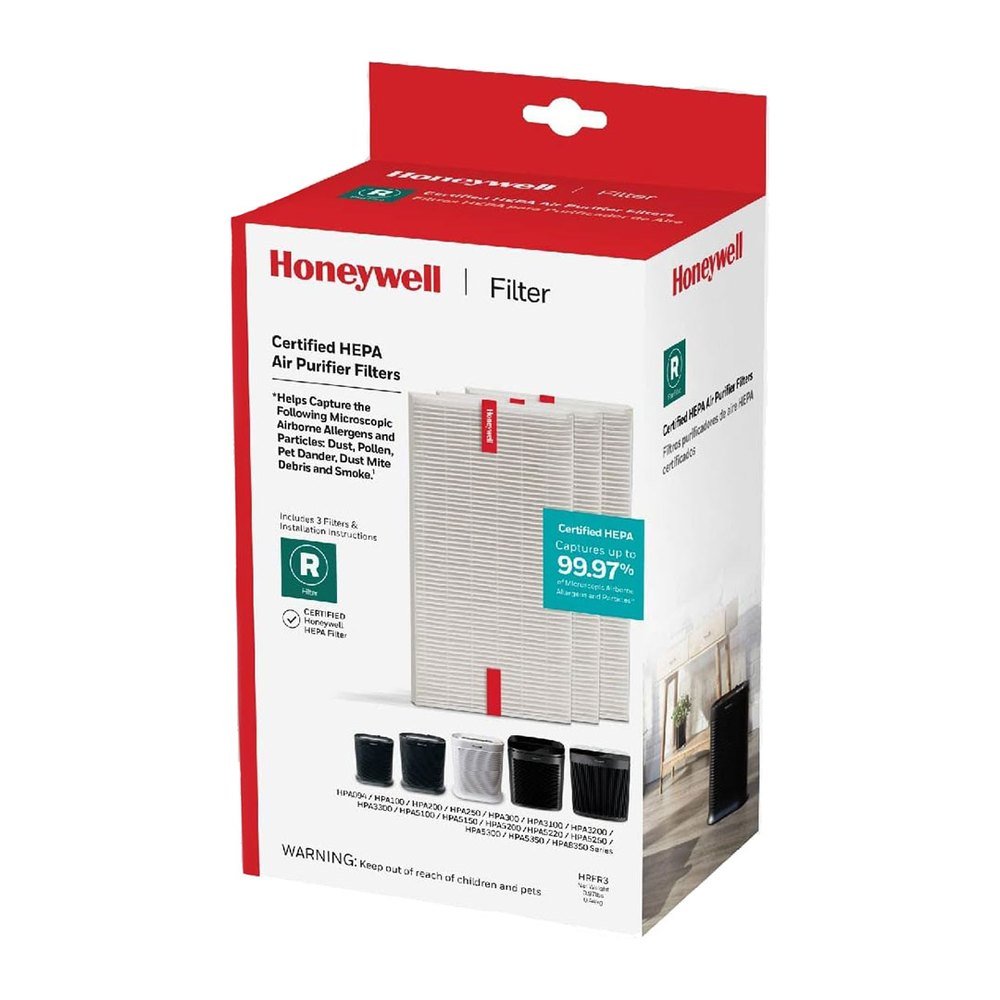
Honeywell
Honeywell Type R filter for HPA air purifiers
HRF-R3 · HRF-R2 · HRF-R1 · HRF-A300 · HRF-AP1 · HRF-APP1
Two different clocks, and they are not the same one.
Affiliate link. Check the exact item and current price on Amazon.
Blueair
Blueair Blue Pure 511 replacement filter
110009
Approximately 6 months of operation — but Blueair is unusually specific about why that is an approximation, and it is worth reading.
Affiliate link. Check the exact item and current price on Amazon.
What actually matters
CADR
The one number that lets you compare two purifiers directly: how much clean air the unit delivers, measured for smoke, dust and pollen. Look for AHAM Verifide — it means an independent lab measured it rather than the brand claiming it.
Air changes per hour
Coverage claims are not comparable until you know the air-change rate behind them. The same machine can be sold as 1,500 sq ft at one air change per hour or 350 sq ft at five. For allergies or smoke you want the higher rate, so read the small print, not the headline.
True HEPA vs "HEPA-type"
"True HEPA" refers to a defined efficiency standard. "HEPA-type", "HEPA-like" and "99% HEPA" are marketing phrases with no standard behind them. If the listing avoids the plain term, that is information.
Activated carbon
HEPA media captures particles. It does nothing for smells, cooking odours or VOCs — that is the carbon stage, and how much carbon is in there varies enormously. A thin carbon-coated sheet is not the same as a packed carbon cartridge, and it saturates far sooner.
Ionizers and ozone
Some units add an ionizer, plasma or UV stage. California requires air cleaners sold there to be CARB certified, which caps ozone emission. Check whether the extra stage can be switched off, and whether the model appears on the CARB list at all.
Noise is the spec that decides
A purifier only works while it is running, and people turn off the ones that are loud at the speed they actually need. Compare the decibel figure at the speed that matches your room size, not at the lowest setting.
Filters are the real price
The sticker price buys the machine once; the filters are the ongoing cost. Work out the yearly filter bill before you compare two units — a cheaper purifier with expensive proprietary filters can cost more over three years.
Purifier or dehumidifier?
They solve different problems. A purifier moves particles out of the air; it does not lower humidity, and damp is what mould needs. If your issue is condensation or a musty smell, humidity control comes first.
Air purifiers at home: the questions people actually ask
Do I actually need an air purifier at home?
It depends on whether you have a particle problem you cannot remove at the source, and that is worth being honest about. A purifier moves airborne particles through a filter; it does nothing about the source itself. If the smell is damp, the answer is humidity, not filtration. If it is a gas cooker, extraction and an open window do more than any unit on this site. Where a purifier does earn its place is with particles that keep arriving and cannot be stopped — pollen through open windows in spring, wildfire smoke, dust from a nearby road, cat or dog dander in a flat. Start with the source; a purifier is what you add when the source is outside your control.
What does CADR mean, and why do we keep repeating it?
CADR is Clean Air Delivery Rate: how much particle-free air a unit delivers per minute, measured separately for smoke, dust and pollen. It is the only figure that lets you compare two purifiers directly, because it combines how well the filter captures with how much air the fan actually moves. A superb filter behind a weak fan gives a poor CADR. The number matters most when an independent body measured it: AHAM Verifide means a laboratory did. A CADR with no AHAM entry is the brand’s own figure, and nobody outside the company has checked it.
Why is the room size on the box not comparable between brands?
Because a coverage figure is meaningless without the air-change rate behind it, and manufacturers pick different ones. The same machine can be sold as "1,051 sq ft" at one air change per hour or "219 sq ft" at 4.8 — both true, same unit, numbers that differ by a factor of five. AHAM’s convention is 4.8 air changes an hour. On every review here we print the basis next to the number, and where the manufacturer does not publish one we say so instead of quietly assuming.
Is a HEPA filter the same thing everywhere?
No, and the label is weaker than it looks. There is no public certification a manufacturer can obtain for a consumer air purifier: every HEPA claim on a box is the maker’s own. AHAM’s directory lets brands declare their own filter class, and the same directory carries entries reading "HEPA-Type" next to others reading "True HEPA" or "H13". That is why every HEPA mention on this site is attributed to whoever said it, rather than stated in our own voice.
What is CARB certification, and is it a selling point?
It is the legal minimum, not a feature. Since 2010 California has required portable indoor air cleaners sold or shipped into the state to be certified, which caps ozone emission. Almost every unit worth buying has it, so its presence tells you little. What is worth knowing is its ABSENCE, or a mismatch between the model on the listing and the model on the certified list — which is a real thing that happens, and something we check for each review.
How often will I really be buying filters?
That is the running cost, and it is the part of the price that is not on the price tag. Manufacturers state intervals between roughly 6 and 12 months, but the interval always rests on a usage assumption — hours per day, at what speed — and that assumption is the part most listings leave out. Our filter guides print the interval together with the assumption behind it, and say which stages are washable and which are not, because a washable pre-filter is one fewer thing you have to keep buying.